
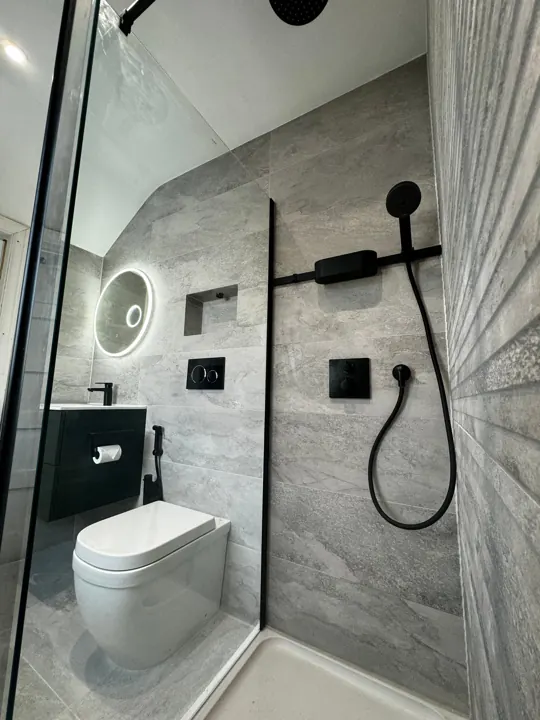
A new basin mixer can make a tired vanity unit feel considered and current. But a tap fitting plumber is not simply there to tighten two flexible hoses beneath the basin. The work needs to account for water pressure, isolation, pipe condition, waste connections, fixing points and the finish around the tap itself. Get those details right and the result looks polished, works properly and stays dry where it matters.
For homeowners planning a bathroom update in Bromley, Orpington, Sevenoaks and across Kent, tap installation is often one part of a wider decision. It may reveal ageing pipework, awkward valve positions or poor access behind furniture. Addressing these points before the room is finished is far easier than returning once tiles, cabinetry and worktops are in place.
Why tap fitting deserves more than a quick swap
Replacing like-for-like taps can be straightforward where the existing plumbing is sound and the new product has compatible connections. Even then, the tap needs to be securely mounted, correctly aligned and connected without putting strain on the tails or pipework.
The job becomes more involved when changing from separate pillar taps to a monobloc mixer, moving the basin, fitting wall-mounted taps or installing a freestanding bath tap. Each arrangement has different requirements for pipe centres, mounting depth, valve access and support within the wall or floor.
A well-fitted tap should feel solid when used, deliver a controlled flow and sit neatly against the basin, bath or worktop. It should also remain serviceable. Isolation valves and accessible connections are not glamorous details, but they make future maintenance much less disruptive.
The tap is only one part of the water system
A tap can expose issues that were hidden by the previous fitting. Corroded compression joints, worn isolating valves, undersized pipework and inconsistent hot water pressure are common in older homes. A new tap will not correct these problems on its own.
For example, a high-flow bath filler may look excellent on a specification sheet but feel disappointing if the hot supply cannot keep pace. Equally, some modern mixer taps need a minimum operating pressure. Before fitting, the plumber should establish whether your system is gravity-fed, mains-pressure or supported by a pump, and whether the chosen tap is suitable.
What a tap fitting plumber should assess
The right approach starts with the location, not the box the tap arrived in. A professional assessment considers how the fitting will perform over time as well as how it will look on installation day.
First, there is the water supply. The plumber should check the existing hot and cold feeds, confirm their condition and identify whether any alterations are required. New pipework may be needed when a basin is moving, a wall-mounted tap is being introduced or old pipe runs are no longer reliable.
Next comes the fixing surface. Deck-mounted taps need a basin, bath deck or worktop that is strong enough for the fitting. A heavy brushed brass mixer on a thin or flexible worktop can work loose unless it is properly reinforced. Wall-mounted taps need accurate first-fix pipework and secure mounting within the wall before plasterboard, tanking or tiling begins.
Drainage also matters. Changing a basin or tap arrangement can affect the waste position, trap clearance and access inside the vanity unit. A beautiful new basin is frustrating if its waste pipe conflicts with drawers, or if the trap cannot be removed for cleaning.
Finally, a tap fitting plumber should consider isolation and future access. Concealed valves, boxed-in pipework and bespoke joinery all need planning so that essential components can be reached without dismantling the finished bathroom.
Choosing the right tap for your bathroom
Style is naturally part of the decision. Chrome remains practical and versatile, while brushed nickel, matt black, brass and bronze can give a room more character. However, finish alone should not determine the choice.
Think about the tap’s height and reach in relation to the basin. A spout that is too short can cause splashing against the rear edge; one that reaches too far forward can throw water towards the user. Vessel basins usually need a taller tap or wall-mounted arrangement, but the spout must still sit at a sensible height above the waste.
The handle design is worth considering too. Lever handles are generally easy to operate, while crosshead styles can suit traditional schemes but may require more clearance. In family bathrooms, it is sensible to choose fittings that are durable, easy to clean and suited to everyday use rather than selecting on appearance alone.
For bath taps, establish how the bath will be filled. A deck-mounted mixer, bath-mounted shower mixer, wall-mounted filler and freestanding floor-mounted tap each need a different plumbing strategy. Freestanding options are particularly effective with a statement bath, but their floor pipework and fixing must be planned before the floor is finished.
When tap installation becomes part of a renovation
During a full bathroom refurbishment, taps should be selected early enough to inform the plumbing first fix. This is especially true for concealed shower valves, wall-mounted basin taps and fitted furniture with compact service voids.
At this stage, pipework can be rerouted neatly, valves can be placed where they remain accessible, and walls can be prepared for waterproofing. In wet areas, tanking should be completed correctly before tiling, with penetrations carefully sealed. Water that gets behind tiles or around poorly detailed fittings can cause damage long before it becomes visible in the room.
A coordinated renovation also makes it easier to balance practical elements. The basin location can be checked against door swings and drawer openings, the radiator or underfloor heating layout can be planned around furniture, and electrical points can be positioned safely around the finished room. These decisions are connected, which is why managing them as one scope is often more reliable than booking separate trades at different stages.
The Bathroom Project plans plumbing, drainage, electrics, waterproofing, tiling and fitting as part of one clearly defined renovation journey. That gives homeowners a single accountable team and avoids the familiar problem of one contractor waiting for another to resolve an issue.
Common tap fitting mistakes to avoid
The most expensive errors are often hidden. Fitting a tap before checking supply pressure, burying joints without suitable access, or using the wrong mounting arrangement can create problems that only appear after the room is complete.
It is also unwise to assume new taps use the same dimensions as old ones. Basin holes, spout reach, pipe centres and connection types vary. Measure carefully, review the manufacturer’s installation information and confirm compatibility before purchasing, particularly where bespoke stone, micro cement or custom joinery is involved.
Avoid relying on excessive sealant to compensate for a poor fit. Sealant has a role in finishing certain connections, but it is not a substitute for a correctly supported tap, sound pipework or properly made watertight joints. A tidy installation should be mechanically secure first and neatly finished second.
A practical checklist before booking a tap fitter
Before arranging the work, have the tap model, basin or bath details and photographs of the existing area available. If you are changing the layout, include approximate dimensions and explain whether the walls or floor will be opened up. This helps establish whether the work is a straightforward replacement or requires pipework alterations.
It is also useful to flag any known concerns: low pressure, dripping taps, slow drainage, a noisy pump, visible corrosion or previous leaks. These details allow the work to be scoped properly rather than treated as an unexpected extra once installation has begun.
If your bathroom is approaching the point where several small repairs are adding up, pause before replacing individual fittings in isolation. A considered plan can protect your investment, improve daily comfort and ensure the tap you choose is supported by plumbing built to last.
Discuss your plumbing or heating requirements with The Bathroom Project. View our services or send an enquiry. We’ll reply by email or phone to answer questions and agree a suitable next step.
Planning your own bathroom?
Explore your ideas in 7 picture-led questions, add optional photos of your current room and enquire about a free home consultation. Skip anything you are unsure about.
Plan your bathroom