Understanding Bathroom Renovation Timelines
Renovating a bathroom is a significant project. It can transform your home and add value. But it also requires careful planning and patience. One of the most common questions I get is about timing. How long will the renovation take? Knowing the timeline helps you prepare and avoid surprises. In this post, I will walk you through the typical stages of a bathroom renovation and what you can expect at each step.
Bathroom Renovation Timelines: What to Expect
Bathroom renovations vary in length depending on the scope of work. A simple refresh with new fixtures will take less time than a full remodel involving plumbing and structural changes. Generally, a bathroom renovation can take anywhere from two to six weeks. This includes demolition, plumbing, electrical work, tiling, and finishing touches.
Here is a breakdown of the main phases:
Planning and Design: 1-2 weeks
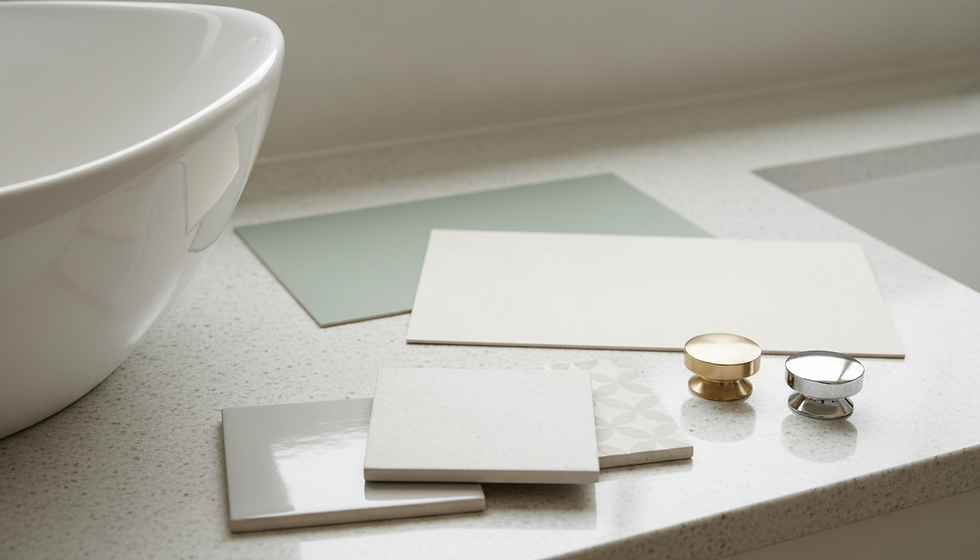
This stage involves choosing your layout, fixtures, tiles, and finishes. It’s crucial to finalise decisions early to avoid delays later.
Demolition: 1-3 days
Removing old fixtures, tiles, and sometimes walls. This can be dusty and noisy but usually quick.
Plumbing and Electrical Work: 3-7 days
Installing new pipes, drains, wiring, and lighting. This step requires skilled tradespeople and inspections.
Wall and Floor Preparation: 2-4 days
Repairing or installing new drywall, waterproofing, and preparing surfaces for tiles or paint.
Tiling and Flooring: 4-7 days
Laying tiles on floors and walls. This includes drying time for adhesives and grout.
Fixture Installation: 2-4 days
Fitting the bath, shower, toilet, sink, and cabinets.
Finishing Touches: 1-3 days
Painting, installing mirrors, accessories, and final clean-up.
Each phase depends on the previous one finishing on time. Delays in one step can push back the entire schedule. Weather, availability of materials, and tradespeople can also affect timing.

If you want to know more about how long does a bathroom renovation take, this guide offers detailed insights.
Factors That Influence Bathroom Renovation Timelines
Several factors can speed up or slow down your bathroom renovation. Understanding these will help you manage expectations and plan better.
Size of the Bathroom
Larger bathrooms take longer to renovate. More space means more materials and labour.
Extent of Renovation
A simple update with new paint and fixtures is quicker than a full gut renovation.
Custom Features
Bespoke cabinetry, unique tiles, or special lighting can add time due to custom orders and installation.
Structural Changes
Moving walls, windows, or plumbing lines requires extra work and permits.
Availability of Materials
Delays in delivery of tiles, fixtures, or cabinets can stall progress.
Tradespeople Scheduling
Coordinating plumbers, electricians, tilers, and painters can be challenging. Their availability affects the timeline.
Unexpected Issues
Discovering water damage, mould, or faulty wiring during demolition can add days or weeks.
To keep your project on track, communicate regularly with your contractor. Ask for updates and raise concerns early.
What is a reasonable budget for a small bathroom remodel?
Budgeting is as important as timing. For a small bathroom remodel, costs vary widely depending on materials and labour. On average, you can expect to spend between £4,000 and £8,000 for a quality renovation in Bromley and surrounding areas.
Here’s a rough breakdown:
Design and Planning: £300 - £800
Demolition and Disposal: £200 - £500
Plumbing and Electrical: £1,000 - £2,000
Fixtures and Fittings: £1,000 - £2,500
Tiling and Flooring: £800 - £1,500
Labour Costs: £1,000 - £2,000
Choosing mid-range materials and standard fixtures helps keep costs reasonable. Custom or luxury options will increase your budget.
To save money, consider:
Keeping the existing layout to avoid plumbing changes
Selecting ready-made cabinets and vanities
Doing some minor tasks yourself, like painting or demolition
Always set aside a contingency fund of 10-15% for unexpected expenses.

Tips to Keep Your Bathroom Renovation on Schedule
Sticking to your timeline requires planning and flexibility. Here are some practical tips:
Plan Thoroughly Before Starting
Finalise your design, fixtures, and materials before demolition begins.
Hire Experienced Professionals
Skilled tradespeople work efficiently and solve problems quickly.
Order Materials Early
Avoid delays by ordering tiles, cabinets, and fixtures well in advance.
Prepare for Disruptions
Set up a temporary bathroom if possible. This reduces stress during the renovation.
Communicate Regularly
Stay in touch with your contractor and ask for progress updates.
Be Ready to Make Quick Decisions
Sometimes choices need to be made on the spot to keep work moving.
Inspect Work at Each Stage
Catch issues early before they become costly or time-consuming.
By following these steps, you can reduce downtime and keep your renovation moving smoothly.
Managing Expectations During Your Bathroom Renovation
Renovations can be stressful. Noise, dust, and limited bathroom access are common challenges. Knowing what to expect helps you stay calm and focused.
Prepare Your Household
Inform family members about the schedule and disruptions.
Set Realistic Goals
Understand that delays happen. Build some buffer time into your plans.
Stay Flexible
Be open to minor changes if they help avoid bigger problems.
Focus on the End Result
Remember that the temporary inconvenience leads to a beautiful, functional bathroom.
If you keep a steady mindset and communicate clearly, your renovation will be a positive experience.
Bathroom renovations require time, money, and patience. By understanding the typical timelines and factors involved, you can plan effectively and avoid surprises. Whether you are updating a small bathroom or doing a full remodel, clear communication and preparation are key. With the right approach, your new bathroom will be worth every minute of the process.


Comments