
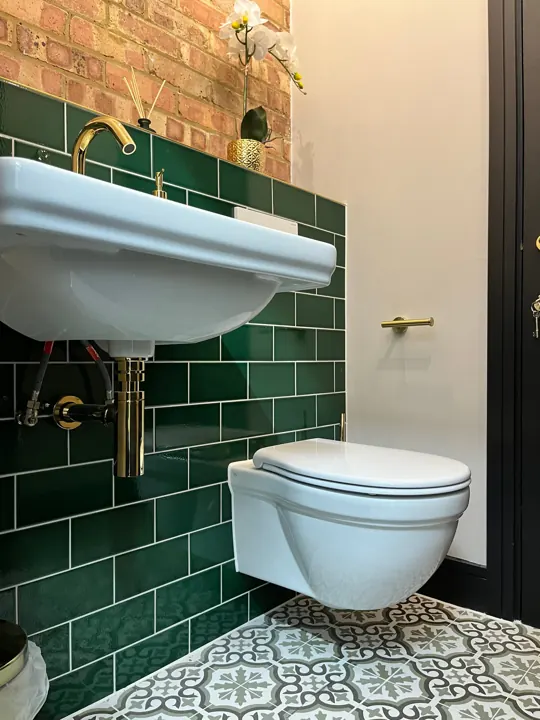
A radiator that only feels warm at the top, a bathroom towel rail that never quite dries towels, or a sitting room that stays cold long after the boiler is running are all signs that the heating needs more than a cosmetic refresh. Well-planned radiator upgrades Kent homeowners invest in can improve comfort, reduce uneven temperatures and give renovated rooms a more considered finish.
The right upgrade is rarely just a case of swapping one radiator for another. Heat output, room size, insulation, pipework condition and controls all affect the result. Taking the time to assess these details before fitting protects both the appearance of the room and the performance of the heating system behind it.
Start with the room, not the radiator style
A radiator should be sized around the heat the room loses, rather than the dimensions of the existing unit. Older radiators are often undersized for extensions, converted lofts and rooms where glazing has changed. Equally, a large replacement radiator may be unnecessary where insulation, new windows or better draught-proofing have reduced heat loss.
A proper assessment considers the room’s dimensions, external walls, window area, ceiling height and intended use. A north-facing kitchen with bi-fold doors has different requirements from a well-insulated bedroom, even if the floor area is similar. Bathrooms also need particular consideration: tiled finishes feel cooler underfoot, and a towel rail alone may not always provide enough output for a larger or poorly insulated space.
Radiator outputs are normally quoted in BTUs or watts. The figure must be considered at the operating temperature of the heating system. This matters increasingly where a modern boiler is set to run at lower flow temperatures for better efficiency, or where a future heat pump is part of the long-term plan. A radiator that was adequate on a hotter old system may need a larger surface area to provide the same level of warmth at lower temperatures.
Choose a format that earns its place
Once output is established, the choice of radiator becomes much easier. Traditional compact panel radiators remain practical and cost-effective, particularly in bedrooms and utility areas. Double-panel, double-convector models provide more heat from a relatively modest wall footprint, making them useful where space is limited.
Vertical radiators can work well in rooms with narrow wall sections, high ceilings or wide areas of glazing. They can make a strong design feature, but their output should never be assumed from their height alone. A slim vertical model may look substantial while delivering less heat than a conventional double-panel radiator. Positioning also matters: a radiator beneath or close to a window counteracts cold air falling from the glass, whereas a purely decorative placement can affect comfort.
For bathrooms, heated towel rails are a popular choice because they combine everyday function with a clean finish. They are available in chrome, white, anthracite, brass-toned and coloured finishes to complement brassware, tiles and cabinetry. The trade-off is output. In compact, well-insulated bathrooms, a towel rail may be sufficient. In a larger room, it may need support from underfloor heating or an additional radiator to avoid a space that looks beautiful but feels chilly in winter.
Pipework and system health come first
New radiators will only perform properly if the system serving them is in good order. During a heating upgrade, pipework routes, radiator valve positions and the condition of the existing central-heating water should be reviewed. Sludge and magnetite can restrict circulation, cause cold spots and shorten the life of boiler components.
Where appropriate, a system clean, inhibitor and magnetic filter can help protect the installation. Thermostatic radiator valves should also be considered as part of the upgrade, especially where existing valves are stiff, leaking or difficult to control. These allow individual rooms to regulate their own temperature rather than relying solely on the main thermostat.
Pipework may need altering when changing radiator size, type or location. This is particularly common in bathroom renovations, where a towel rail is moved to improve the layout, free up space for a vanity unit or allow a wider shower enclosure. Concealing pipework can create a refined finish, but it needs careful planning before walls are tiled or micro cement is applied. Access, isolation and future maintenance should not be sacrificed for the sake of a tidy appearance.
Make controls part of the upgrade
Heating controls are often the most overlooked part of radiator replacement. A modern programmable thermostat and well-set thermostatic valves can make a noticeable difference to how a home feels day to day. They prevent overheated bedrooms, avoid heating unused rooms unnecessarily and make it simpler to warm the house around family routines.
Smart controls can be useful for households with changing schedules, but they are not automatically the best answer for every property. Their value depends on how the household uses the heating and whether the system is divided into sensible zones. For some homes, a reliable programmable thermostat and correctly balanced radiators will deliver the most meaningful improvement without adding complexity.
Balancing is essential after any significant change. It ensures water is distributed correctly across the system, so radiators closer to the boiler do not take most of the heat while those further away remain lukewarm. It is a technical but important finishing step that helps the whole installation work as intended.
Plan radiator upgrades alongside a bathroom renovation
A complete bathroom refurbishment is often the best opportunity to resolve heating issues that have been tolerated for years. Once old fittings and finishes are removed, it is possible to inspect pipework, adjust radiator positions and coordinate the heating design with electrical work, waterproofing and tiling.
For example, underfloor heating can provide comfortable, even warmth in a bathroom while allowing walls to remain clear for storage, mirrors or feature tiling. It does not always replace the need for a towel rail, however. Many homeowners choose both: underfloor heating for room comfort and a towel rail for dry, warm towels. The best arrangement depends on floor build-up, insulation, electrical capacity or existing wet heating connections, and the overall room layout.
Coordinating these decisions with one accountable team avoids a familiar problem: the tiling is finished before the heating location is confirmed, or cabinetry is installed before pipework has been adjusted. A detailed proposal should establish what is being supplied, where it will be installed, whether alterations are required and what work is needed to leave a durable, neat result.
What affects the cost of a radiator upgrade?
The radiator itself is only one part of the budget. Costs vary according to the required heat output, chosen material and finish, whether valves are included, and the complexity of the installation. A straightforward like-for-like replacement is very different from relocating a radiator, chasing pipework into walls, upgrading several rooms or improving a system that has not been maintained.
Premium designer radiators and specialist finishes can be worthwhile where they form part of a wider interior scheme, but performance and serviceability should remain the priority. In a family bathroom, for instance, a finish should be selected with moisture, cleaning and everyday use in mind. The most expensive option is not necessarily the most suitable one.
Before work begins, homeowners should have clarity on the scope: the radiators and valves being fitted, pipework changes, any system cleaning or controls work, making good, and the commissioning process. Clear planning prevents assumptions from turning into delays once the installation is underway.
A warmer home should not depend on turning the thermostat higher and hoping for the best. If you are planning a bathroom transformation or improving an older heating system, a room-by-room assessment gives you a sound basis for decisions that will feel right long after the work is handed over.
Discuss your plumbing or heating requirements with The Bathroom Project. View our services or send an enquiry. We’ll reply by email or phone to answer questions and agree a suitable next step.
Planning your own bathroom?
Explore your ideas in 7 picture-led questions, add optional photos of your current room and enquire about a free home consultation. Skip anything you are unsure about.
Plan your bathroom